

 July 26, 2026
 Print
Print

Walk into almost any well-designed home today and you’ll likely spot one: a large, woven piece of fabric hanging on the wall, bringing color, texture, and story into the room. But what exactly is a tapestry, and what separates it from a simple printed wall hanging? Let’s unravel it.
What Is a Tapestry?
A tapestry is a piece of textile art traditionally woven by hand on a loom, where the design is built directly into the weave rather than printed or painted onto the fabric afterward. Horizontal weft threads are passed back and forth over vertical warp threads to build up an image — much like painting, but with thread instead of a brush.
Today, the word “tapestry” is used more broadly to describe any decorative woven or fabric wall hanging — from museum-grade heirlooms to the soft, lightweight tapestries commonly used in home decor.
A Brief History of Tapestries
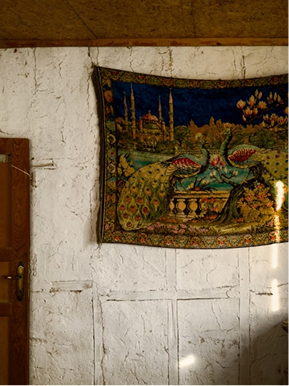
Tapestry weaving dates back thousands of years, with early examples found in Ancient Egypt and Peru. But tapestries reached their most iconic form during the medieval period in Europe, when large-scale woven pieces depicting historical events, mythology, and pastoral scenes decorated the walls of castles and cathedrals.
Beyond their beauty, medieval tapestries served a practical purpose too — they helped insulate cold stone walls and were portable enough to travel with nobility between residences. That blend of art and function is part of what makes tapestries such an enduring design choice.
How Tapestries Are Made
Traditional tapestries are woven using a technique called weft-faced weaving, where the weft threads are packed tightly together to completely cover the warp, allowing intricate designs and color changes to emerge as the piece is woven.
Modern tapestries — like the ones we offer — are typically produced on jacquard looms or through high-quality printing on woven textiles such as cotton or polyester blends, which makes vivid, detailed designs more accessible without losing that soft, textile feel.
Types of Tapestries You’ll See Today
Tapestries come in a wide range of styles, including:
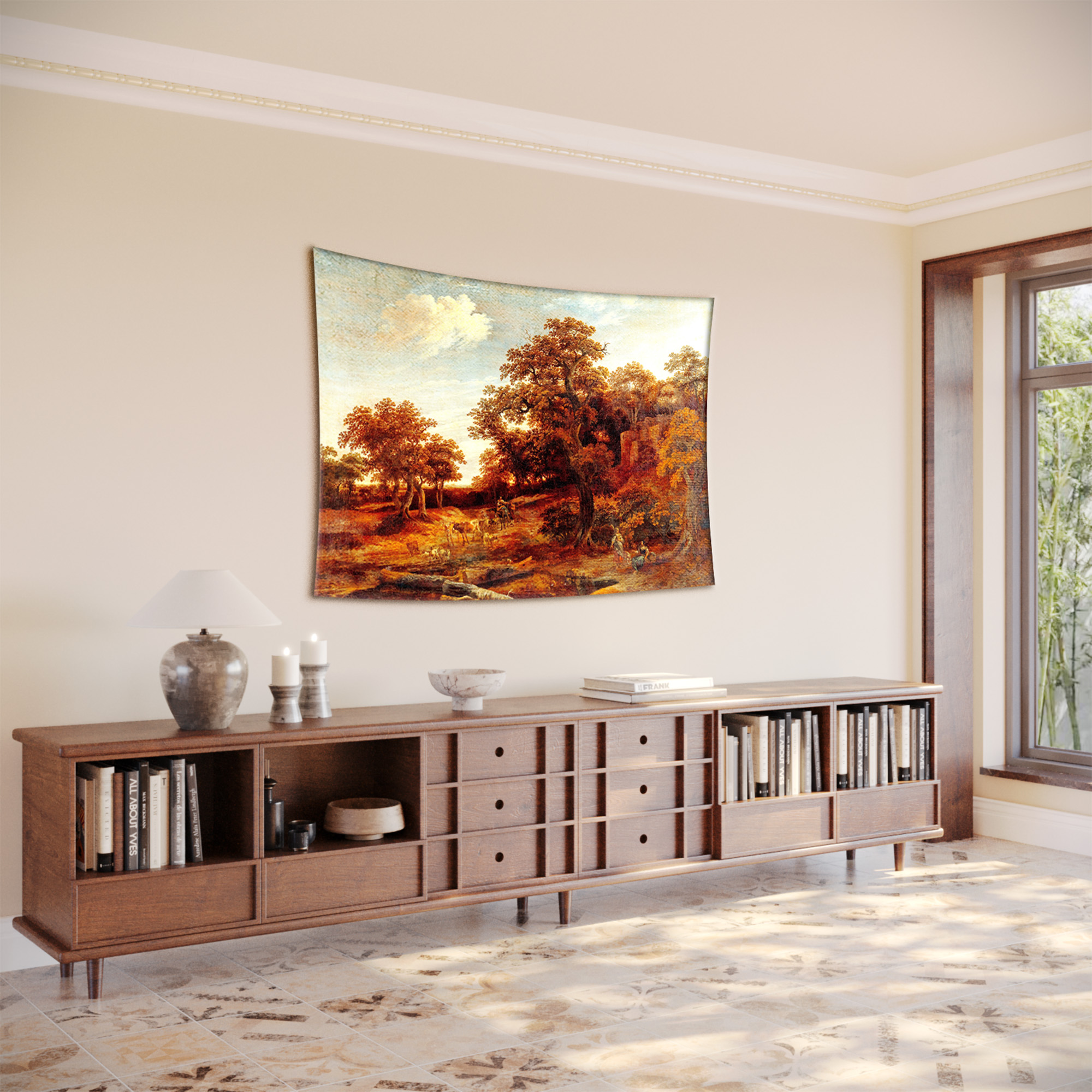
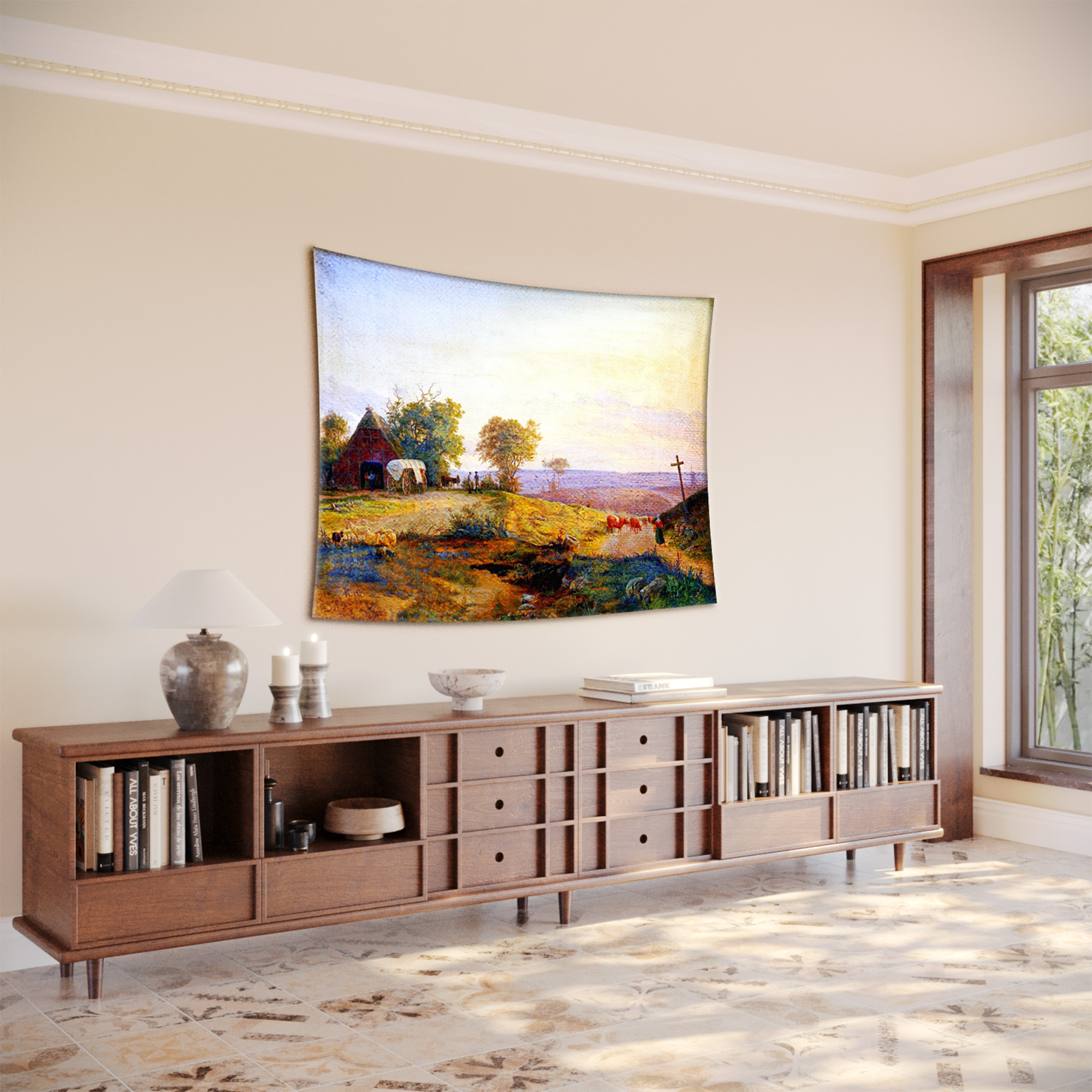
- Landscape tapestries — forests, sunsets, and countryside scenes that bring the outdoors in
- Medieval and historical tapestries — classic scenes inspired by centuries-old designs
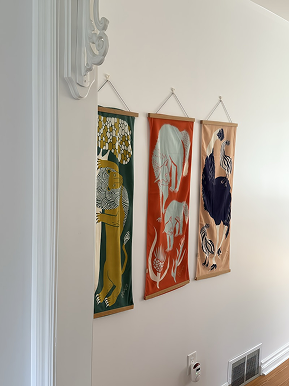
- Nature and animal motifs — celestial, botanical, and wildlife-inspired designs
- Abstract and bohemian patterns — mandalas, geometric prints, and textured weaves
Tapestry vs. Poster or Print
It’s easy to lump tapestries in with posters or canvas prints, but the material makes a real difference. Because tapestries are made from soft, woven fabric rather than paper or stretched canvas, they:
- Drape naturally instead of sitting flat, adding dimension to a wall
- Help absorb sound and soften a room acoustically
- Are lightweight and easy to hang without heavy frames or hardware
- Can be rolled or folded for storage and travel
How to Choose the Right Tapestry for Your Space
When picking a tapestry, think about scale first — a piece that’s too small can get lost above a bed or sofa, while an oversized piece can dominate a small room. As a general rule, aim for a tapestry that covers roughly two-thirds the width of the furniture below it.
Next, consider color and mood. Warm, earthy tones like those in a countryside or autumn landscape tapestry work well in cozy living spaces, while cooler tones and abstract patterns suit more minimalist or modern interiors.
Caring for Your Tapestry
Most fabric tapestries can be gently hand-washed or spot-cleaned with cold water and a mild detergent, then air-dried flat to preserve their shape. Where possible, avoid direct, prolonged sunlight, as it can cause colors to fade over time.
Final Thoughts
At its core, a tapestry is more than wall decor — it’s a woven piece of art with centuries of history behind it, reimagined for modern homes. Whether you’re drawn to a medieval-inspired scene or a soft landscape at sunset, a well-chosen tapestry can completely transform the feel of a room.
Ready to find yours? Browse our full collection of tapestries and discover the piece that tells your story.